
Innovation
New Brain Implant Offers Hope for Treatment-Resistant Depression
A breakthrough brain implant entering human trials could transform how depression is treated, offering new hope to millions worldwide.
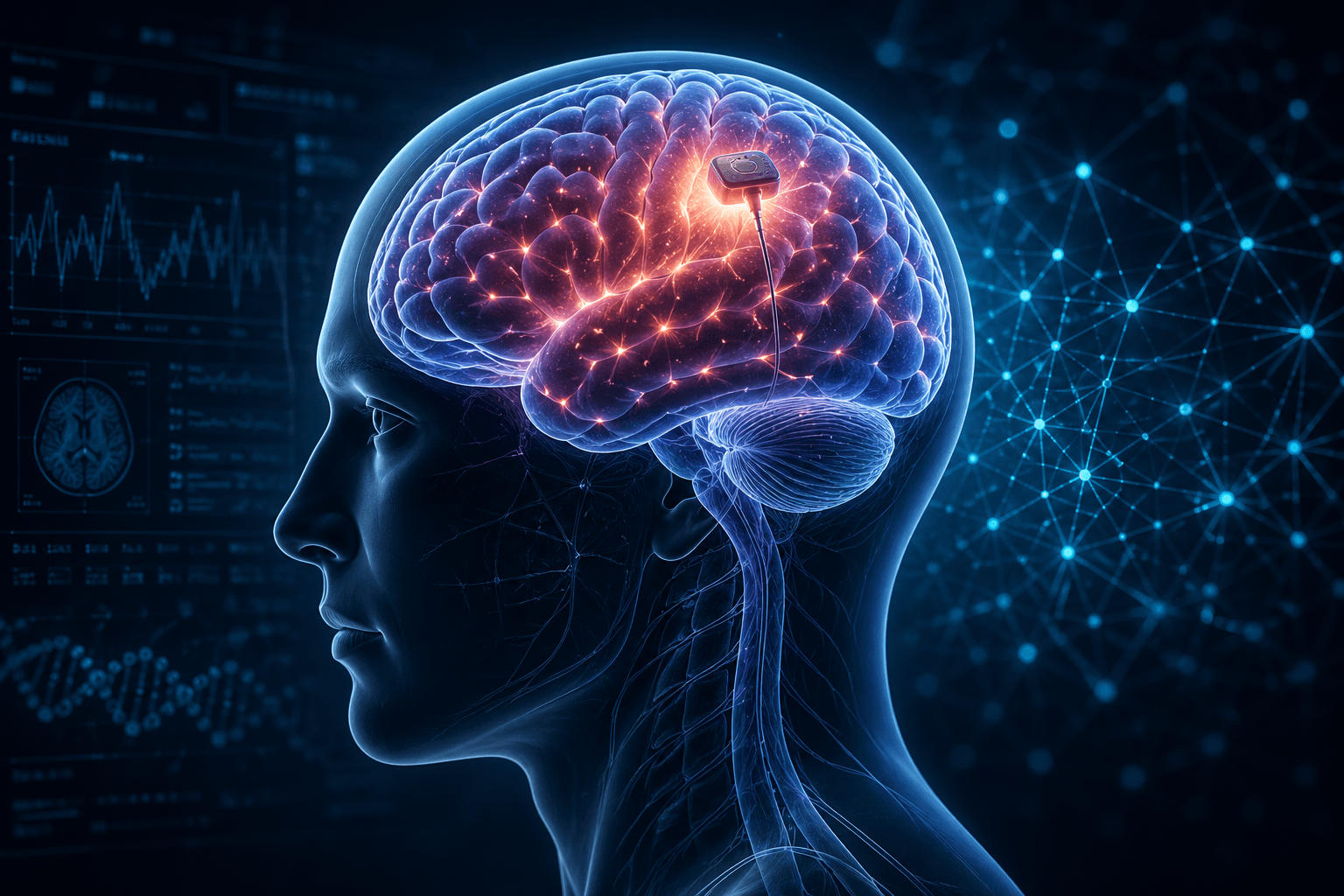
A new frontier in mental health treatment is beginning to take shape as scientists prepare to test a groundbreaking brain implant designed to treat severe depression.
Developed by a U.S.-based neurotechnology company, the device is small, minimally invasive, and designed to stimulate specific brain networks associated with mood regulation. Unlike traditional treatments such as medication or electroconvulsive therapy, this approach targets the brain’s circuitry directly.
The implant works by activating the brain’s “central executive network,” an area often underactive in people with major depressive disorder. Early research suggests that restoring activity in this network could significantly reduce symptoms, especially for patients who have not responded to existing treatments.
The procedure itself is relatively simple. The device is implanted just beneath the skull and powered wirelessly, allowing patients to receive therapy sessions without the need for repeated hospital visits. Researchers believe this could make advanced mental health care more accessible and less disruptive to daily life.
Globally, depression affects hundreds of millions of people, and a large percentage of cases remain resistant to standard treatments. Innovations like this signal a shift toward more personalized and biologically precise approaches to mental health care.
However, experts caution that the technology is still in its early stages. Clinical trials will determine its long-term safety, effectiveness, and scalability. If successful, it could mark a turning point in how mental health conditions are treated — moving from symptom management toward targeted neural intervention.
As science continues to explore the connection between brain function and mental wellbeing, one thing is becoming clear: the future of mental health care will likely be deeply intertwined with the future of brain technology.