
Feature
New Brain Implant Offers Hope for Treatment Resistant Depression
A look at an emerging development in support for treatment resistant depression.
5 min read · Beyond-You Editorial
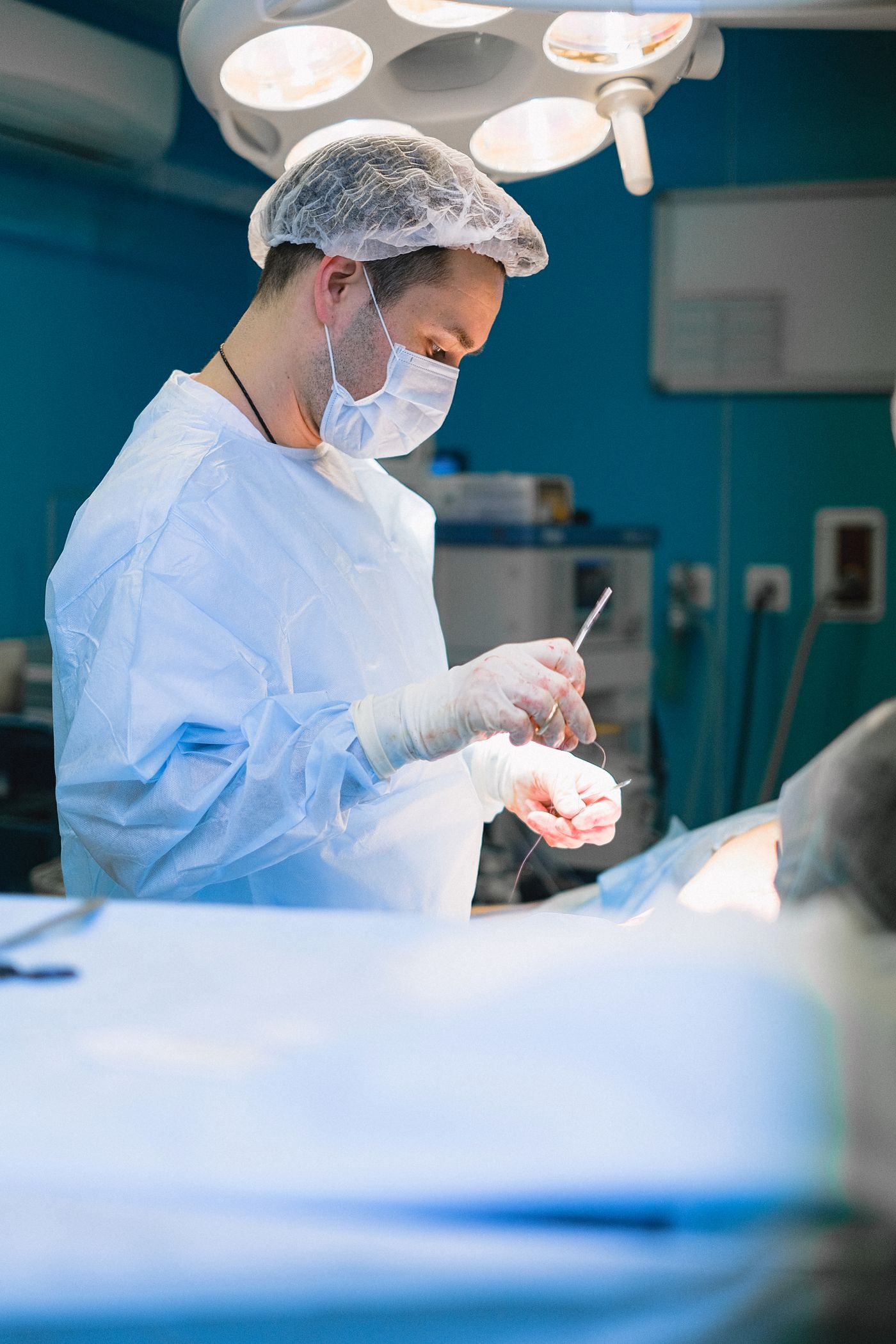
Researchers are studying whether brain stimulation tailored to an individual’s own brain signals could help in severe depression that has not improved with other treatments. The approach is promising research, but it remains experimental and is not an established treatment for the public.
A system designed around one person’s signals
In a published case study, a research team described an implanted system that detected a brain activity pattern associated with one participant’s depressive symptoms and delivered stimulation when that pattern appeared. The system was personalized through detailed brain mapping before it was used in daily life.
This is sometimes called closed-loop neuromodulation: the device measures activity and adjusts stimulation in response. It differs from a device that delivers the same stimulation on a fixed schedule, but it also requires invasive surgery, careful programming, and ongoing clinical oversight.
A case study is a starting point, not proof for everyone
The reported experience involved one person. It can help researchers develop questions and design future studies, but it cannot show how well the approach works for a broad group, who is most likely to benefit, or how risks compare with other options.
Deep brain stimulation has been studied for depression for years, and results across trials have not been uniform. Larger, carefully controlled research is needed before anyone can draw conclusions about effectiveness, long-term safety, or who might be a candidate.
What this could mean for care
For now, an implant like this should be understood as a research development rather than a routine treatment. Decisions about treatment-resistant depression are best made with qualified clinicians who can review a person’s history, preferences, and available evidence.
Hope matters, and so does precision about what a study can tell us. The next step is not a promise of a device for everyone; it is continued research that tests the idea with more people and transparent follow-up.