
Feature
Brain Scans Reveal Three Distinct ADHD Types
New research explores distinct ADHD patterns, including a more severe form.
5 min read · Beyond-You Editorial
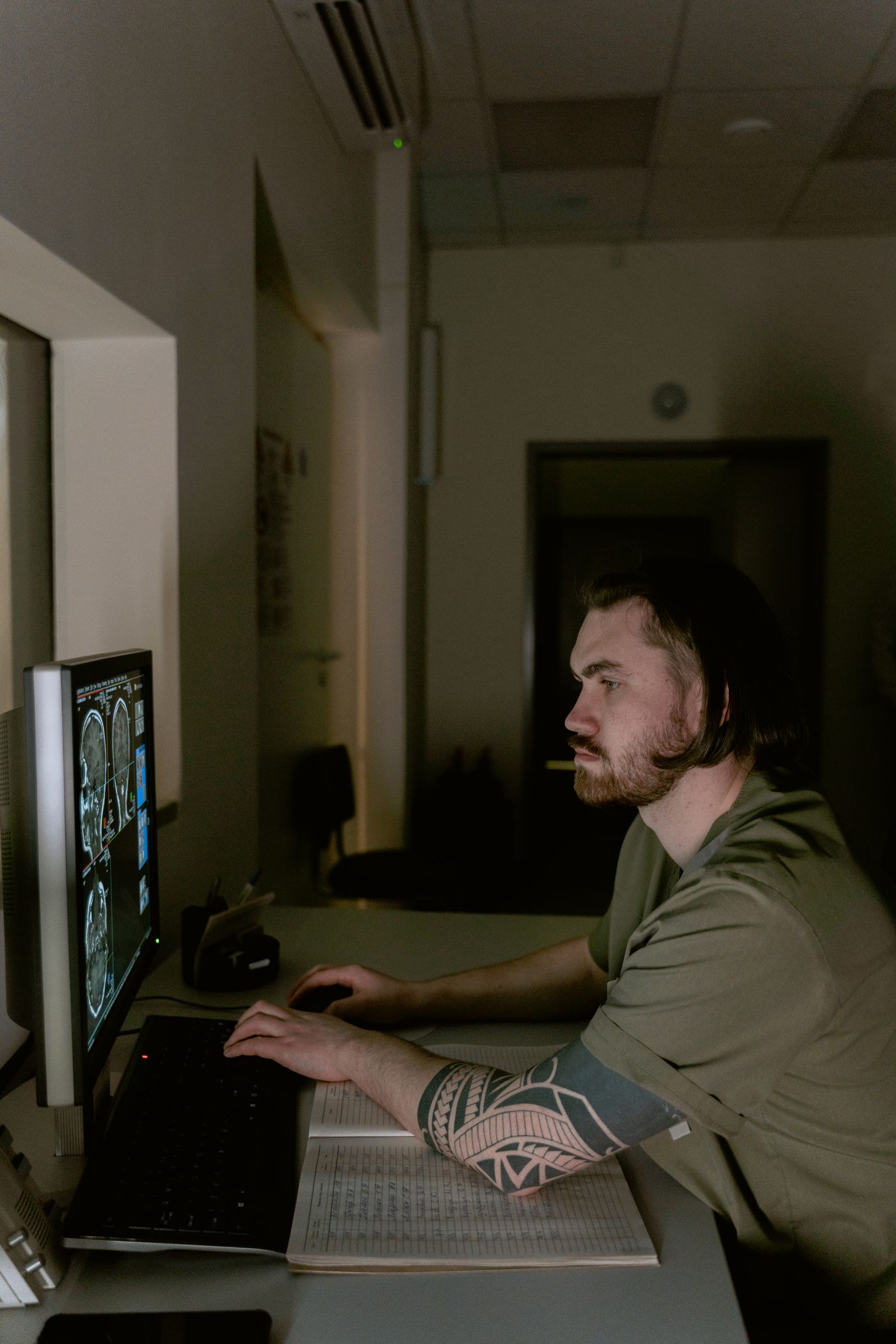
A 2025 study used brain imaging and statistical modeling to identify three patterns among adolescents with ADHD. The findings add to research on how varied ADHD can be, but they do not establish three new diagnoses or make brain scans a way to diagnose an individual.
What the researchers examined
The study analyzed brain images from a large adolescent research dataset and grouped participants by patterns in cortical thickness. The researchers described three groups: one with lower-than-expected thickness in some regions, one with higher thickness, and one with a mixture of both patterns.
The groups also differed on some clinical and research measures. That gives scientists questions to investigate about why people with the same diagnosis can have different experiences and whether those differences may matter for future research.
A research pattern is not a clinical label
The labels describe statistical patterns in the study sample. They are not the same as the clinical presentations currently used to describe ADHD, and they are not a test result a person can request to determine which ‘type’ they have.
Brain imaging findings in ADHD are still being studied. A scan cannot replace a careful clinical assessment, and this study does not show that imaging can guide diagnosis or treatment for an individual person.
Why replication matters
The researchers tested whether the patterns appeared in additional datasets, an important step. Further work by independent teams will be needed to see how stable the groupings are across ages, populations, and imaging methods, and whether they predict outcomes in a useful way.
For now, the most grounded takeaway is that ADHD is not one uniform experience. Research may eventually help tailor support more precisely, but people should make care decisions with qualified professionals using their symptoms, history, strengths, and goals—not a headline about a scan.